White House Launches Gold Eagle Vulnerability Coordination Program
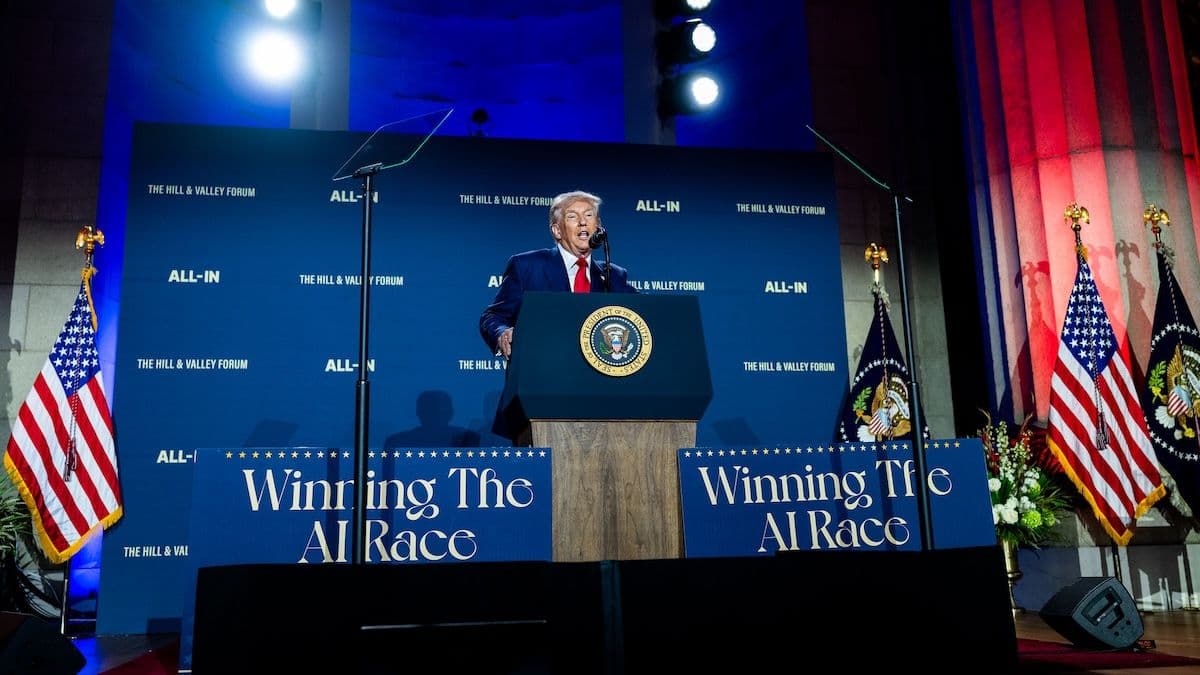
The White House announced Gold Eagle, the first program emerging from its June AI cybersecurity executive order. Gold Eagle is a clearinghouse that brings together government agencies and companies to coordinate on cyber vulnerabilities. The initiative represents the administration's effort to operationalize its AI security policy through public-private coordination.
TL;DR
- White House launches Gold Eagle program, first initiative under June AI cybersecurity executive order
- Gold Eagle functions as a clearinghouse for government agencies and companies to coordinate on cyber vulnerabilities
- Program represents operationalization of administration's AI security policy
- Announcement made Tuesday, July 14, 2026
Why It Matters
AI systems are critical infrastructure, and coordinated vulnerability disclosure between government and industry is essential to prevent exploits at scale. This program signals the administration's intent to move from policy announcements to concrete mechanisms for managing AI-related security risks. The clearinghouse model allows faster information sharing on threats that could affect both national security and commercial systems.
Business Impact
Companies participating in Gold Eagle gain early visibility into emerging vulnerabilities and government priorities around AI security, while also reducing liability exposure through coordinated disclosure. The program may establish new standards or expectations for how private sector AI developers handle security issues, affecting product roadmaps and compliance requirements.
Key Implications
- Government-industry coordination on AI vulnerabilities may accelerate threat detection and remediation timelines
- Participating companies may face new reporting obligations or security standards tied to the clearinghouse
- The model could become a template for other sectors seeking coordinated vulnerability management
What to Watch
Monitor which companies and agencies join Gold Eagle and what disclosure timelines or security standards emerge from the clearinghouse. Watch for any mandatory participation requirements or regulatory pressure on firms to join. Track whether the program produces public guidance on AI vulnerability classification or reporting.
Subscribe to the newsletter
The latest stories and analysis, delivered to your inbox.
Free. No spam. Unsubscribe any time.


