OpenAI Proposes State-Led Path to National AI Governance
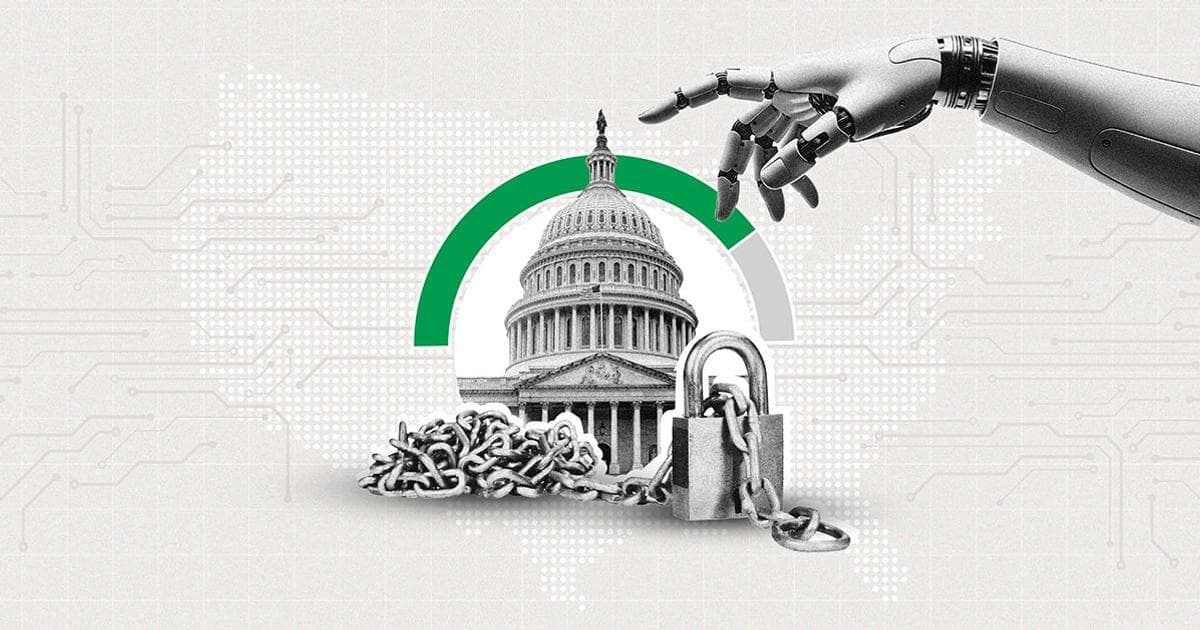
OpenAI has outlined a 'reverse federalism' approach to AI governance in which state-level laws work together to establish a national framework for safe and democratic AI development. The approach positions state action as foundational to building coherent federal policy rather than the traditional top-down model. This represents a shift in how the AI industry and policymakers are thinking about regulatory coordination across jurisdictions.
TL;DR
- OpenAI proposes 'reverse federalism' model where state laws inform national AI governance framework
- Approach treats state-level action as building blocks for federal policy rather than obstacles to it
- Strategy aims to balance AI safety with democratic principles across multiple jurisdictions
- Model suggests industry and regulators are moving toward coordinated multi-level governance
Why It Matters
AI regulation has been fragmented across states and federal agencies, creating uncertainty for developers and inconsistent protections for users. OpenAI's proposal offers a potential pathway to coherent national standards by leveraging state experimentation and input. This could shape how AI governance evolves in the US and influence international regulatory approaches.
Business Impact
Companies operating across multiple states face compliance complexity under fragmented AI rules. A coordinated framework could reduce regulatory friction and compliance costs while establishing clearer safety standards that apply uniformly. The approach also signals industry willingness to engage constructively with state regulators, which may influence future legislative outcomes.
Key Implications
- State legislatures may gain greater influence over national AI policy direction through this model
- AI companies could face pressure to align with multiple state standards while a federal framework develops
- The approach may reduce regulatory arbitrage where companies choose favorable jurisdictions
What to Watch
Monitor whether other AI companies and industry groups adopt or adapt this reverse federalism framing in their policy positions. Track state-level AI legislation to see if it becomes more coordinated or if divergence increases. Watch for federal legislative responses and whether Congress incorporates state-level lessons into any comprehensive AI governance bills.
Subscribe to the newsletter
The latest stories and analysis, delivered to your inbox.
Free. No spam. Unsubscribe any time.


