VFF - The signal in the noise
News

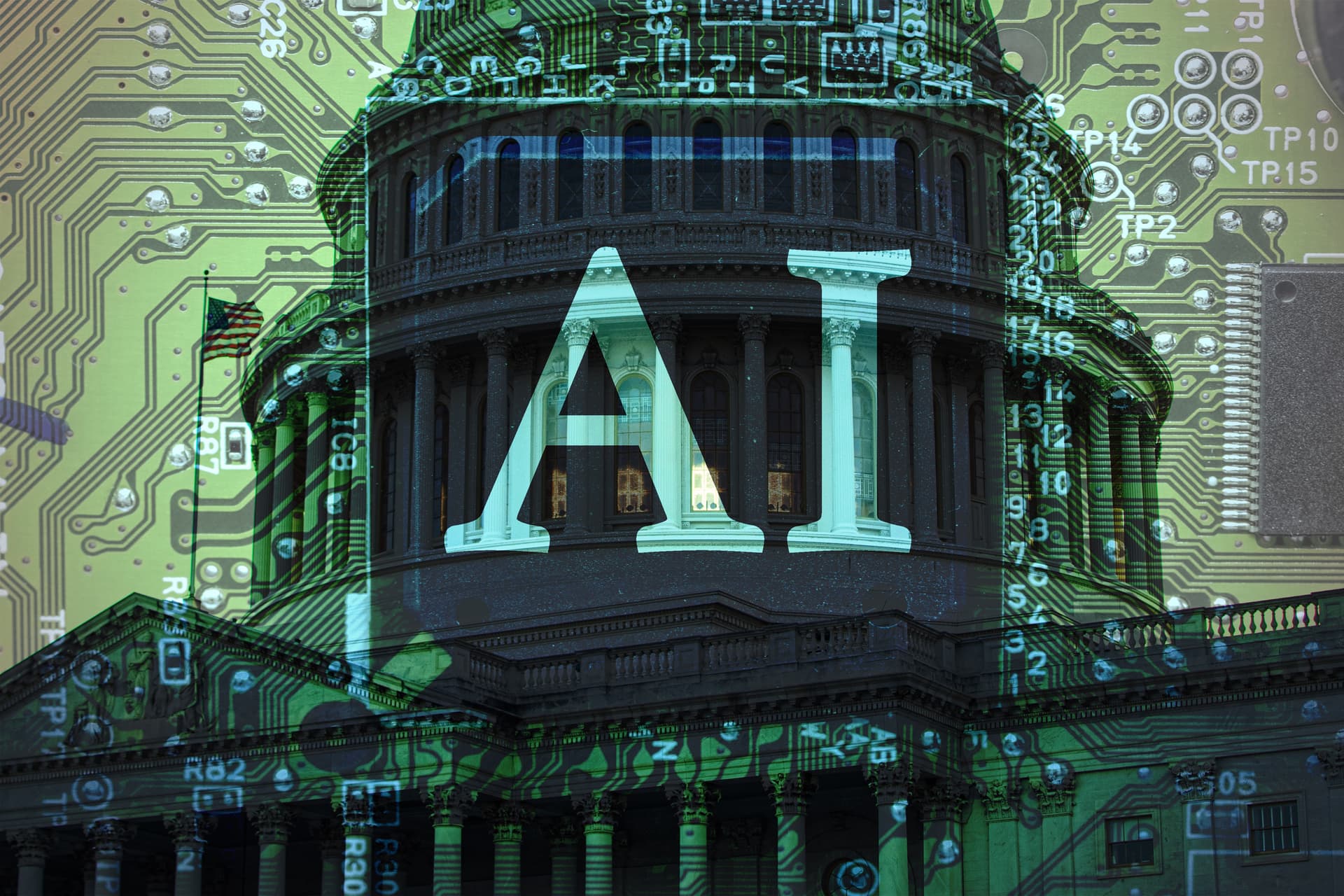
Congress Proposes Bipartisan AI Framework to Override State Rules
Leo SchwartzRead original
Share
Congress Proposes Bipartisan AI Framework to Override State Rules

Two bipartisan members of Congress released a discussion draft for a sweeping federal AI regulatory framework on Thursday, led by Reps. Jay Obernolte (R-Calif.) and Lori Trahan (D-Mass.). The proposal aims to establish a federal approach to AI regulation ahead of November's midterm elections. The framework would override some existing state rules, representing the latest Congressional effort to create unified AI governance.

  • Reps. Obernolte and Trahan released a bipartisan AI regulatory framework discussion draft
  • Proposal seeks to establish federal AI regulation ahead of midterm elections
  • Framework would override certain state-level AI rules
  • Represents latest Congressional attempt at unified AI governance

Federal preemption of state AI rules could reshape the regulatory landscape for AI companies operating across multiple jurisdictions. This bipartisan effort signals Congressional momentum on AI governance, though the framework's specific provisions and enforcement mechanisms remain unclear from the available information. The timing ahead of midterms suggests AI regulation is becoming a priority issue for lawmakers.

Companies currently navigating fragmented state AI regulations could face significant changes if federal preemption takes effect. A unified federal framework could reduce compliance complexity but may also impose new requirements depending on the final rules. The outcome will likely affect how AI companies structure operations and compliance programs across states.

  • Federal AI regulation could preempt existing and proposed state-level AI laws and rules
  • Bipartisan support suggests AI governance is becoming a cross-party priority in Congress
  • Companies may need to prepare for transition from state-by-state compliance to federal standards
  • The framework's scope and specific regulatory mechanisms remain undefined in available reporting

Monitor the framework's detailed provisions as they emerge, particularly which state rules would be preempted and what new federal requirements would apply. Track Congressional response and whether the proposal gains traction beyond its sponsors. Watch for industry feedback on whether the framework addresses specific AI risks or focuses on broader governance structures.

Share

Our Briefing

Weekly signal. No noise. Built for founders, operators, and AI-curious professionals.

No spam. Unsubscribe any time.

Related stories

AdventHealth deploys ChatGPT to cut administrative burden
News

AdventHealth deploys ChatGPT to cut administrative burden

AdventHealth is deploying ChatGPT for Healthcare to streamline clinical and administrative workflows, with the goal of reducing administrative burden on staff and freeing up time for direct patient care. The health system is using OpenAI's healthcare-specific model to handle workflow optimization tasks. This represents a practical application of generative AI in healthcare operations rather than clinical decision-making.

14 days ago· OpenAI
AI Discovers Security Flaws Faster Than Humans Can Patch Them

AI Discovers Security Flaws Faster Than Humans Can Patch Them

Recent high-profile breaches at startups like Mercor and Vercel, combined with Anthropic's disclosure that its Mythos AI model identified thousands of previously unknown cybersecurity vulnerabilities, underscore growing demand for AI-powered security solutions. The article argues that cybersecurity vendors CrowdStrike and Palo Alto Networks, which are integrating AI into their threat detection and response capabilities, represent undervalued investment opportunities as enterprises face mounting pressure to defend against both conventional and AI-discovered attack vectors.

by Anita Ramaswamyabout 1 month ago· The Information
AWS Launches G7e GPU Instances for Cheaper Large Model Inference
TrendingModel Release

AWS Launches G7e GPU Instances for Cheaper Large Model Inference

AWS has launched G7e instances on Amazon SageMaker AI, powered by NVIDIA RTX PRO 6000 Blackwell GPUs with 96 GB of GDDR7 memory per GPU. The instances deliver up to 2.3x inference performance compared to previous-generation G6e instances and support configurations from 1 to 8 GPUs, enabling deployment of large language models up to 300B parameters on the largest 8-GPU node. This represents a significant upgrade in memory bandwidth, networking throughput, and model capacity for generative AI inference workloads.

by Hazim Qudahabout 1 month ago· AWS Machine Learning Blog
Anthropic Launches Claude Design for Non-Designers
Model Release

Anthropic Launches Claude Design for Non-Designers

Anthropic has launched Claude Design, a new product aimed at helping non-designers like founders and product managers create visuals quickly to communicate their ideas. The tool addresses a gap for early-stage teams and individuals who need to share concepts visually but lack design expertise or resources. Claude Design integrates with Anthropic's Claude AI platform, leveraging its capabilities to streamline the visual creation process. The launch reflects growing demand for AI-powered design tools that lower barriers to entry for non-technical users.

by Aisha Malikabout 2 months ago· TechCrunch AI