Google Faces Coding Crisis Ahead of I/O Conference
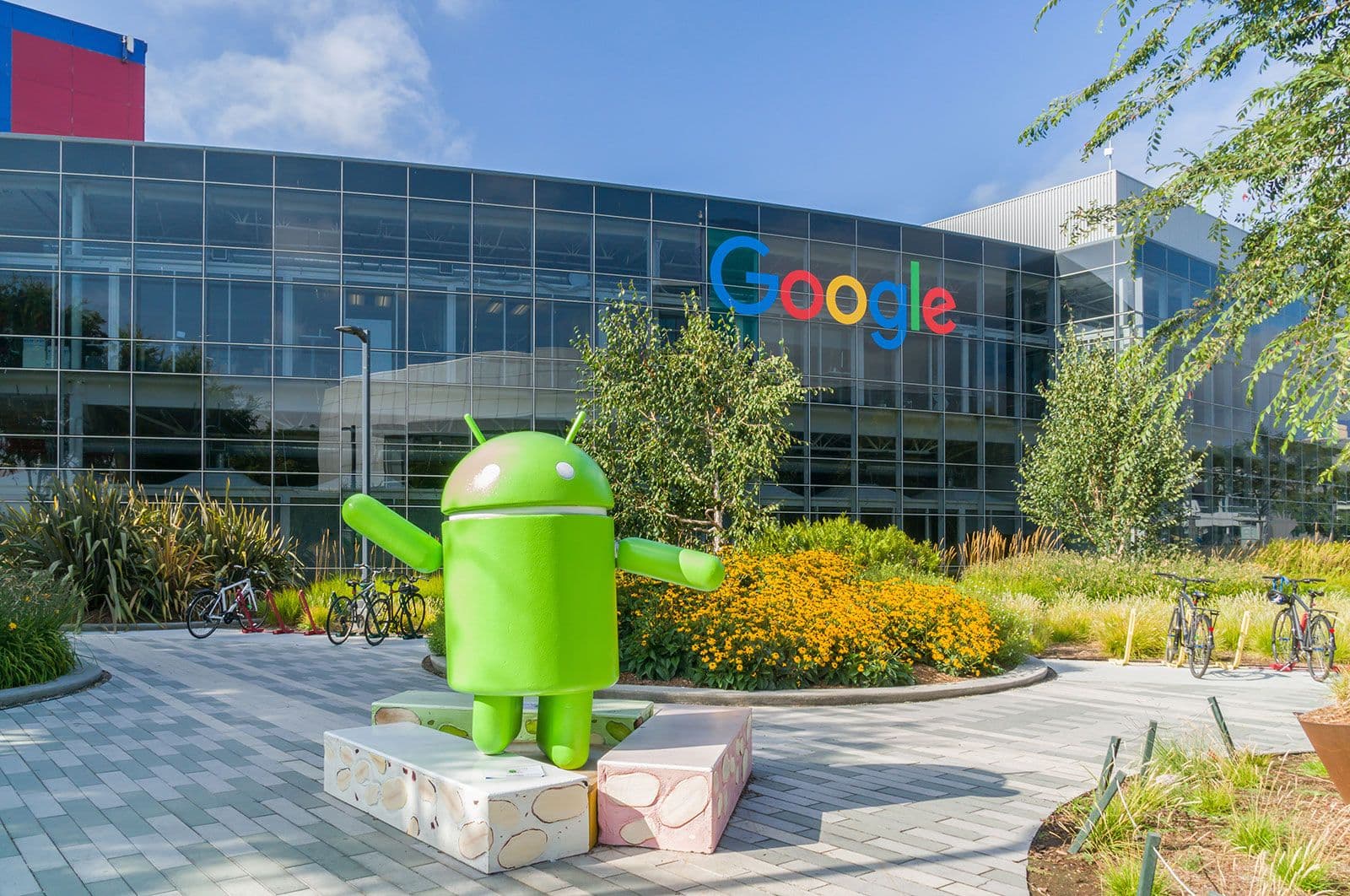
Google enters its annual I/O developer conference positioned as a clear third place in the foundation model race, particularly vulnerable in coding capabilities where Anthropic's Claude and OpenAI's systems have pulled significantly ahead. The company is reportedly assembling a new AI coding team at DeepMind with Nobel laureate John Jumper to address the gap, though observers expect incremental rather than transformative progress. Google maintains strength in AI for science and health applications, areas where it has earned competitive advantages, but faces questions about whether it can regain momentum in the high-stakes coding domain that now defines foundation model reputation.
TL;DR
- Google faces a coding crisis: its AI coding tools lag substantially behind Claude and OpenAI's offerings, forcing even DeepMind engineers to use competitor products
- A new DeepMind coding team led by Nobel Prize winner John Jumper suggests Google is taking the problem seriously, with a major coding release expected at I/O
- Google's genuine competitive edge lies in AI for science, where it remains the only frontier AI company with a Nobel Prize, and in health applications like its upcoming Health Coach tool
- Observers expect Google to announce incremental improvements rather than breakthroughs in coding, given that internal teams were still competing for Claude access as recently as last month
Why It Matters
Foundation model reputation now hinges primarily on coding capabilities, and Google's weakness in this area signals a broader competitive vulnerability against Anthropic and OpenAI. The company's relegation to third place reflects a shift in how the AI industry measures progress, moving beyond general language quality to specialized performance in developer-facing tools. This matters because coding ability increasingly determines which models enterprises and developers adopt for production work.
Business Impact
For operators building on foundation models, Google's coding gap means fewer compelling reasons to standardize on Google's stack versus competitors, potentially affecting enterprise adoption and developer mindshare. Founders in the AI tooling space should note that coding performance has become the primary battleground for model differentiation, while Google's science and health capabilities remain underexploited competitive advantages that could reshape those verticals if properly commercialized.
Key Implications
- Coding performance has become the primary metric by which foundation models are evaluated and ranked, displacing earlier emphasis on general language quality and reasoning
- Google's internal teams voting with their feet to use Claude suggests the gap is material enough to affect productivity, not merely a perception problem
- Google's strength in AI for science and health remains substantial but undermarketed, creating an opportunity to compete on different axes than pure coding capability
What to Watch
Monitor whether Google announces a major coding release at I/O and how it benchmarks against Claude and Codex on real-world developer tasks. Track whether the company makes meaningful progress in health AI beyond the Health Coach tool, particularly in clinical applications where OpenAI has set the conversation agenda. Watch for signals about whether Google's science AI capabilities translate into commercial products or remain primarily research-focused.
Related Video
Subscribe to the newsletter
The latest stories and analysis, delivered to your inbox.
Free. No spam. Unsubscribe any time.


