Huang: AI Creating Jobs, Not Killing Them
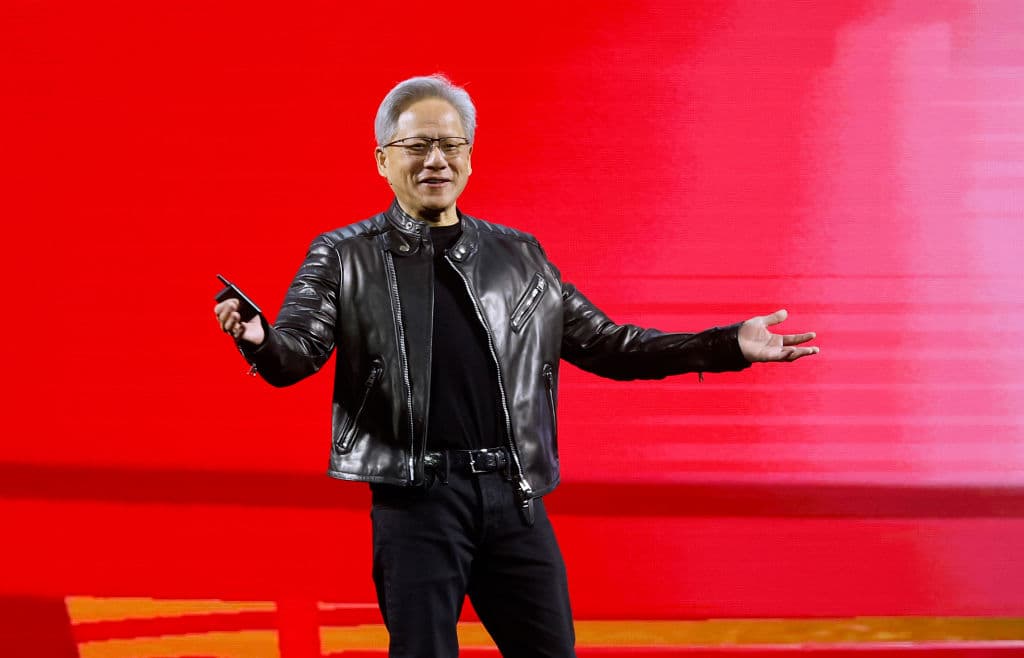
Nvidia CEO Jensen Huang pushed back against widespread concerns about AI's impact on employment, arguing that artificial intelligence is actually creating a large number of jobs rather than eliminating them. The statement comes as workers across industries express anxiety about automation and job displacement driven by AI adoption. Huang's position reflects a common argument from tech leaders that new technologies historically generate new roles even as they disrupt existing ones, though the timeline and distribution of such job creation remains contested.
TL;DR
- Nvidia CEO Jensen Huang claims AI is creating an enormous number of jobs, countering worker concerns about displacement
- The statement reflects a broader tech industry narrative that new technologies generate employment opportunities
- Worker anxiety about AI-driven job loss remains widespread across sectors despite optimistic industry messaging
- The debate over AI's net employment impact remains unresolved with limited concrete data on job creation rates
Why It Matters
The tension between optimistic industry narratives and worker concerns about AI displacement is shaping policy discussions, hiring decisions, and public perception of AI adoption. How this debate resolves will influence regulatory approaches, corporate investment in workforce transition programs, and public trust in AI deployment. Huang's comments represent a key voice in an ongoing conversation that affects millions of workers and the pace of AI integration across the economy.
Business Impact
For operators and founders, the employment narrative around AI directly impacts hiring strategy, talent acquisition, and stakeholder relations. Companies need to understand whether they should invest in workforce transition programs, retrain existing staff, or prepare for regulatory pressure around job displacement. The credibility of job creation claims will also influence how boards and investors evaluate the long-term viability of AI-driven business models.
Key Implications
- Tech leaders face pressure to substantiate job creation claims with concrete data rather than historical analogies to past technological shifts
- Companies deploying AI may need to develop workforce transition and retraining programs to maintain public and regulatory support
- The employment debate could become a key factor in AI regulation and policy decisions at both national and international levels
What to Watch
Monitor whether Nvidia and other AI companies release specific data on job creation tied to AI adoption, and track how policymakers respond to employment concerns in upcoming AI regulation. Watch for corporate announcements about workforce retraining initiatives or hiring plans that either support or contradict industry optimism about job growth. Pay attention to labor market data and academic research that measures actual employment impacts of AI deployment in specific sectors.
Subscribe to the newsletter
The latest stories and analysis, delivered to your inbox.
Free. No spam. Unsubscribe any time.


