Amazon Quick Generates Dashboards from Natural Language
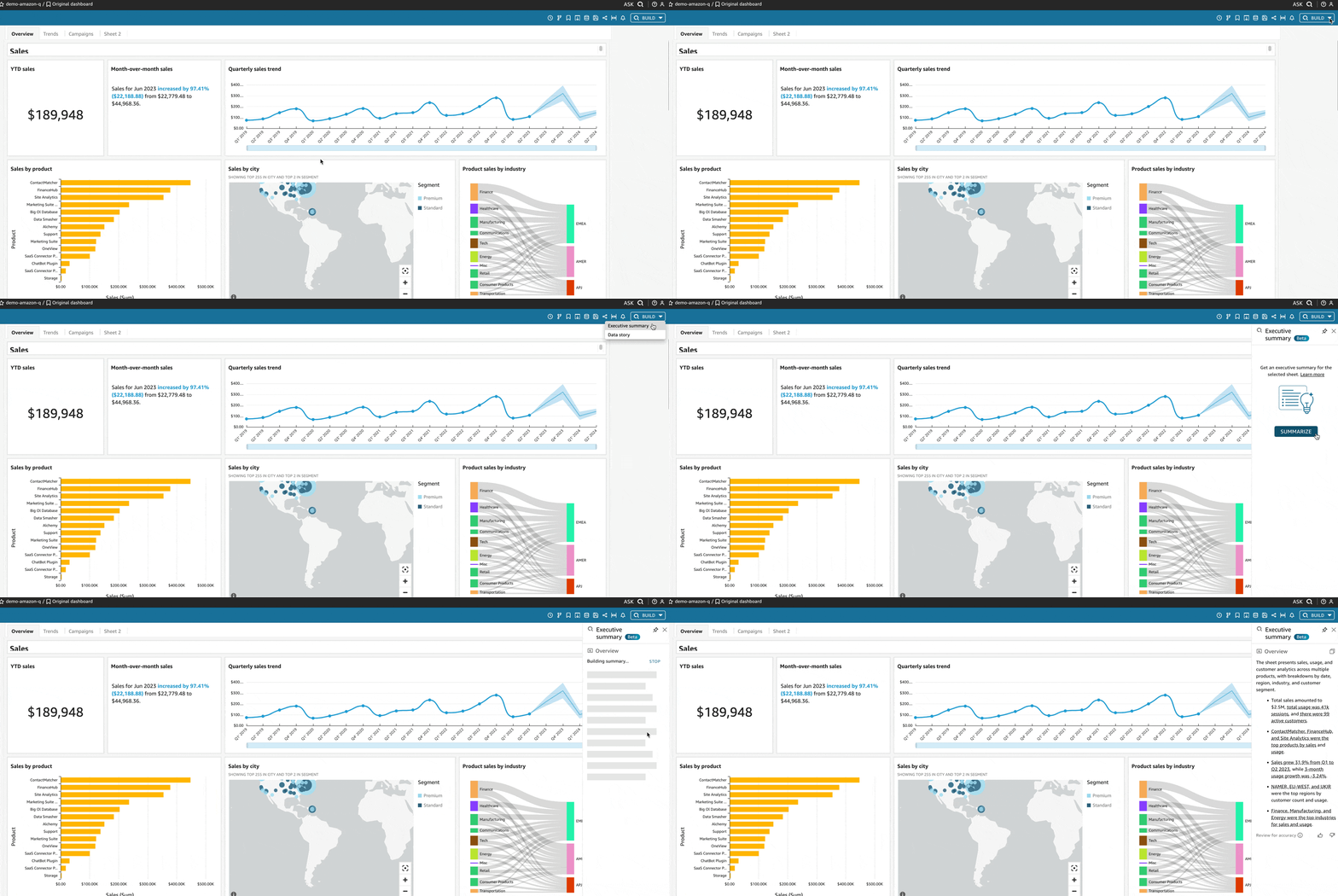
Amazon Quick now generates complete multi-sheet dashboards from natural language prompts, automating what previously required hours of manual setup by BI professionals. Users describe their analysis needs in plain language, review an interactive plan of the proposed structure, and receive production-ready dashboards with organized sheets, filter controls, and calculated fields like year-over-year growth comparisons. The feature is available in Amazon Quick Enterprise Edition and targets data analysts, program managers, and engineers who need to move from raw datasets to shareable insights quickly.
TL;DR
- Amazon Quick adds generative AI capability to create full dashboards from natural language prompts instead of manual sheet-by-sheet construction
- Generated dashboards include multiple organized sheets, filter controls for stakeholder exploration, and pre-built calculated fields like YoY and MoM comparisons
- Users review an interactive plan before generation, maintaining control over the final dashboard structure and content
- Feature requires Amazon Quick Enterprise Edition subscription and supports 1 to 3 datasets, including multi-table scenarios
Why It Matters
This represents a meaningful shift in how business intelligence tools handle the labor-intensive dashboard creation process. By automating the structural and visual design decisions that typically consume analyst time, Amazon Quick lowers the barrier for non-expert users to generate professional-grade analytics while freeing experienced analysts from repetitive setup work. The interactive review step preserves user agency, avoiding the black-box generation problem that can undermine adoption of AI-assisted tools.
Business Impact
For enterprises, this reduces time-to-insight for operational dashboards, leadership reviews, and ad-hoc data exploration, directly improving decision velocity. Organizations can now have analysts spend time on interpretation and strategy rather than dashboard scaffolding, while program managers and engineers without BI expertise can self-serve basic analytics without waiting for specialist resources.
Key Implications
- Natural language becomes a viable interface for BI tool interaction, potentially expanding the addressable user base beyond trained analysts and reducing training overhead
- The emphasis on interactive review and user control suggests AWS is positioning this as augmentation rather than replacement, which may increase adoption among risk-averse enterprises
- Multi-dataset support and calculated field generation indicate the model understands business logic and relationships, not just visual layout, raising the bar for competing BI platforms
What to Watch
Monitor whether this capability drives measurable adoption increases in Amazon Quick, particularly among non-analyst user segments. Watch for competitive responses from Tableau, Power BI, and Looker, and track whether the interactive review step becomes a bottleneck or remains a valued control mechanism in real-world usage.
Subscribe to the newsletter
The latest stories and analysis, delivered to your inbox.
Free. No spam. Unsubscribe any time.


