Scout AI Raises $100M for Military AI Agents
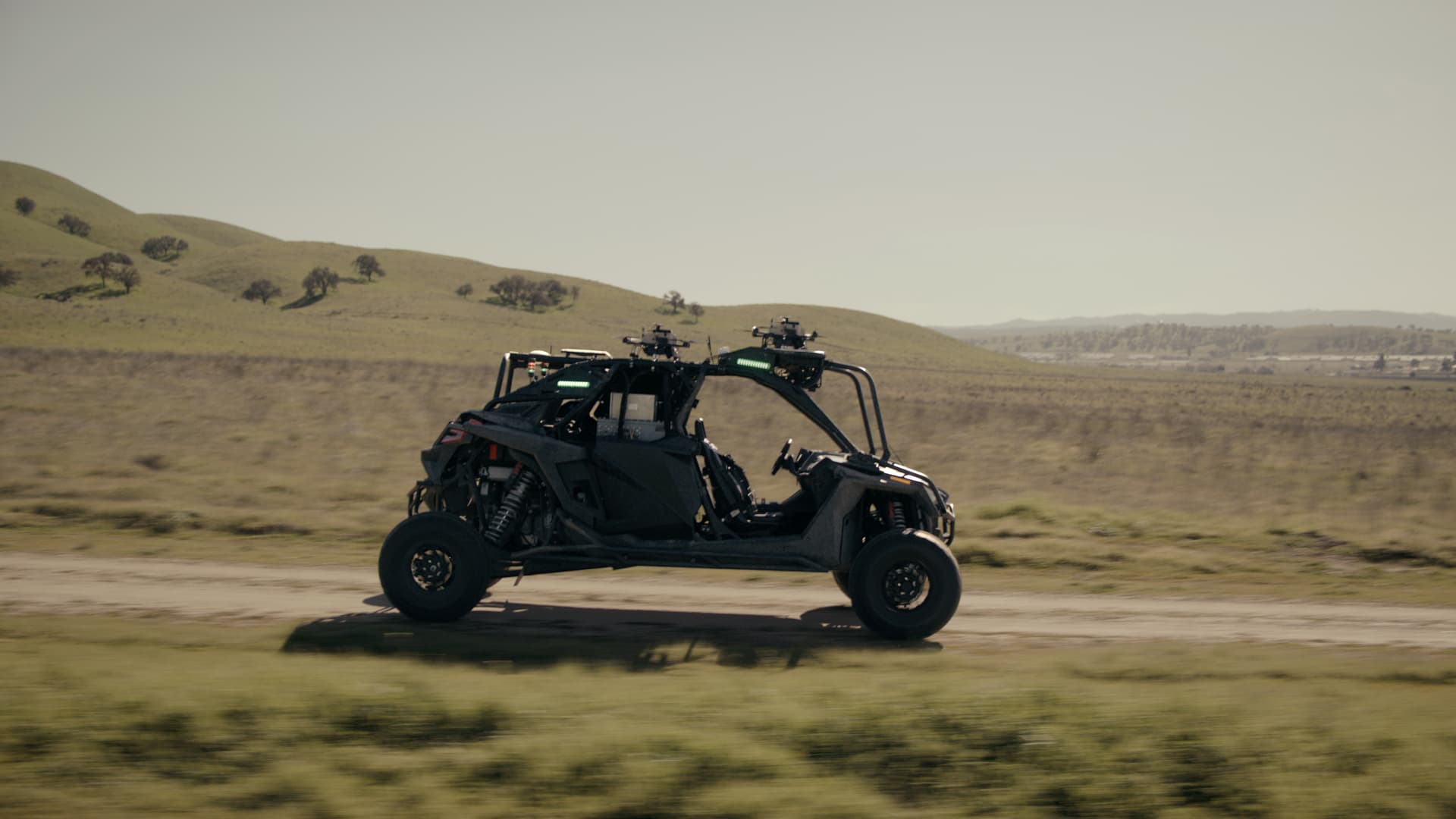
Scout AI, founded by Colby Adcock, has raised $100 million to develop AI agents designed to help individual soldiers control fleets of autonomous vehicles in military operations. The company is operating a training bootcamp where it works on these autonomous systems. The funding and operational focus signal growing commercial and defense sector interest in AI agents capable of coordinating complex, real-time autonomous systems at scale.
TL;DR
- Scout AI raised $100M to build AI agents for military autonomous vehicle control
- Company is running a bootcamp to train and develop these AI systems
- Focus is on enabling individual soldiers to command fleets of autonomous vehicles
- Represents convergence of AI agents, autonomous systems, and defense sector applications
Why It Matters
This funding and operational model highlight the maturation of AI agents beyond consumer and enterprise software into specialized, high-stakes domains. The military application underscores how AI agent technology is moving from research and proof-of-concept into systems designed for real-world coordination of autonomous hardware, which raises questions about deployment timelines, safety validation, and the competitive landscape for defense AI.
Business Impact
For founders and operators, Scout AI's $100M raise and bootcamp approach demonstrate a viable path to significant capital in the defense and autonomous systems space. The model of training AI agents for specific, complex coordination tasks suggests a market opportunity for specialized AI agent platforms that can handle multi-agent orchestration and real-time decision-making in constrained environments.
Key Implications
- AI agents are moving from general-purpose chatbots and assistants into specialized military and autonomous systems applications with substantial funding backing
- Training and validation of AI agents for defense use cases may require different methodologies and infrastructure than consumer AI, creating new operational and technical challenges
- The ability to coordinate autonomous fleets at the individual soldier level could reshape military doctrine and procurement, attracting more venture and defense spending to this category
What to Watch
Monitor Scout AI's progress on agent reliability and latency in field conditions, as well as how other defense contractors and AI companies respond to this funding and capability gap. Watch for regulatory or policy responses to AI agents in military contexts, and track whether similar bootcamp-style training models emerge for other autonomous systems applications.
Subscribe to the newsletter
The latest stories and analysis, delivered to your inbox.
Free. No spam. Unsubscribe any time.


