VFF - The signal in the noise

Will Douglas Heaven

4 articles on VFF - The signal in the noise

Why Every LLM Gives You the Same Answer

Why Every LLM Gives You the Same Answer

Large language models exhibit severe homogeneity in their responses to open-ended questions, converging on predictable answers across different providers. Australian startup Springboards has developed Flint, an LLM trained to generate more diverse outputs by embracing what traditional models treat as hallucinations. A November research paper won best paper at NeurIPS by documenting this phenomenon across 25 different models, finding that most responses to creative prompts cluster around identical phrases.

by Will Douglas Heaven· MIT Technology Review
Source
Startup Claims Breakthrough in LLM Efficiency, Backed by Third-Party Tests
News

Startup Claims Breakthrough in LLM Efficiency, Backed by Third-Party Tests

Miami-based AI startup Subquadratic emerged from stealth claiming it solved a decade-old mathematical bottleneck in large language models. The company's new model, SubQ, reportedly runs faster, cheaper, and more energy-efficiently than competitors while processing up to 12 times more text simultaneously. Third-party testing by Appen has now validated some of these claims, though the model remains unavailable for widespread testing.

by Will Douglas Heaven· MIT Technology Review
Source
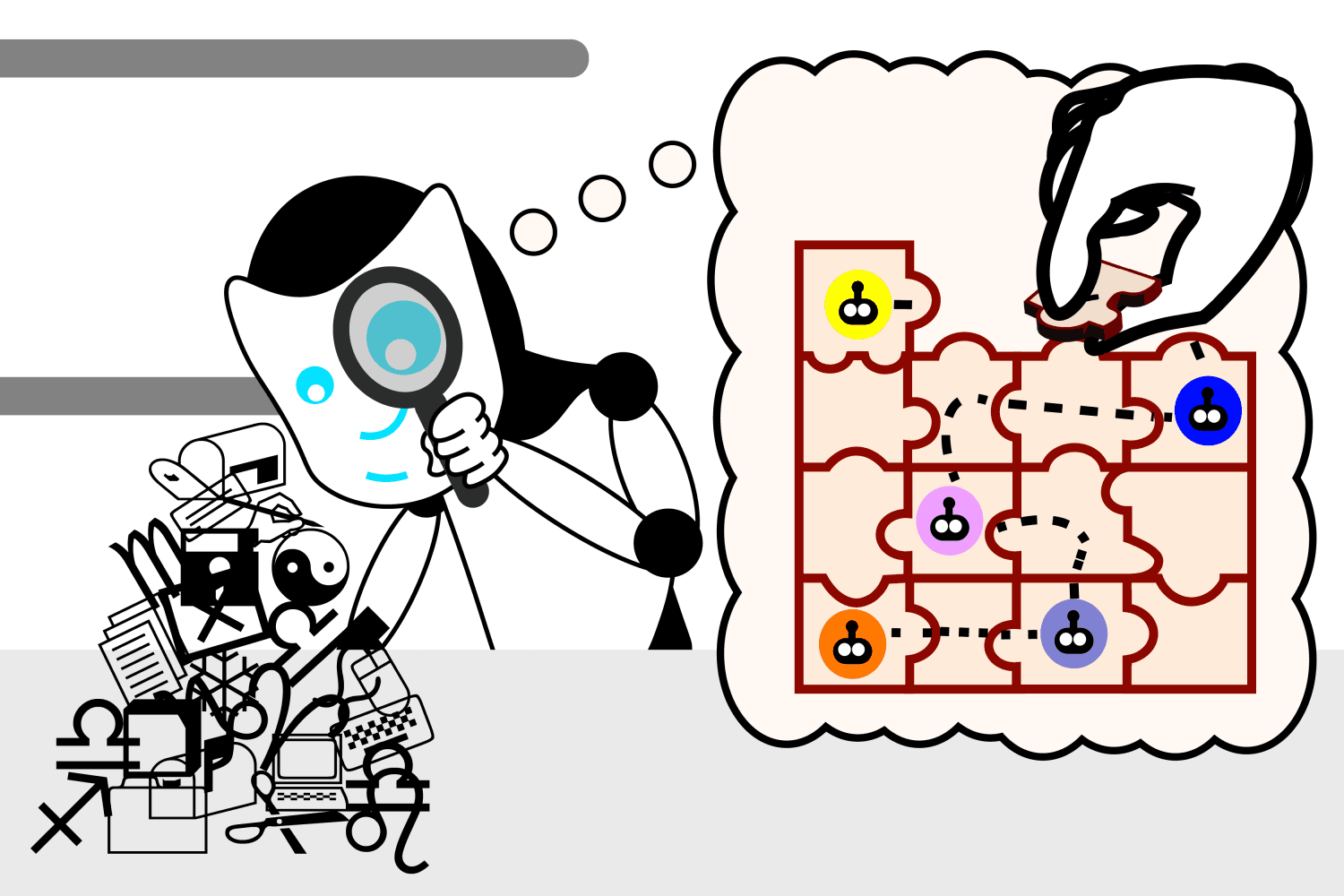
Goodfire's Silico Brings Mechanistic Interpretability to Model Development

Goodfire's Silico Brings Mechanistic Interpretability to Model Development

Goodfire, a San Francisco startup, released Silico, a tool that lets developers inspect and adjust AI model parameters during training by mapping neurons and their connections. The tool automates mechanistic interpretability work previously done manually, aiming to make model development more precise and less trial-and-error. Silico works on open-source models where developers have access to internal parameters, though not on proprietary systems like ChatGPT or Gemini. The company claims this represents a shift from scaling-focused approaches toward understanding and controlling how models actually work.

by Will Douglas Heaven· MIT Technology Review
Source

The AI Perception Gap: Why Experts and the Public See Different Technologies
News

The AI Perception Gap: Why Experts and the Public See Different Technologies

Stanford's 2026 AI Index reveals a stark divide in how experts and the general public perceive AI's impact, with 73% of US AI researchers optimistic about job effects versus only 23% of the public. The report documents major inconsistencies in AI capabilities, from models that win math olympiads but cannot read analog clocks, to a hardware supply chain concentrated in a single Taiwanese foundry. The gap appears rooted in divergent user experiences: technical professionals using AI for coding see transformative tools, while broader populations encounter more mixed results, creating fundamentally different assessments of the technology's trajectory.

by Will Douglas Heaven· MIT Technology Review
Source