Chinese AI Chip Firm Biren Eyes $1B Fundraising
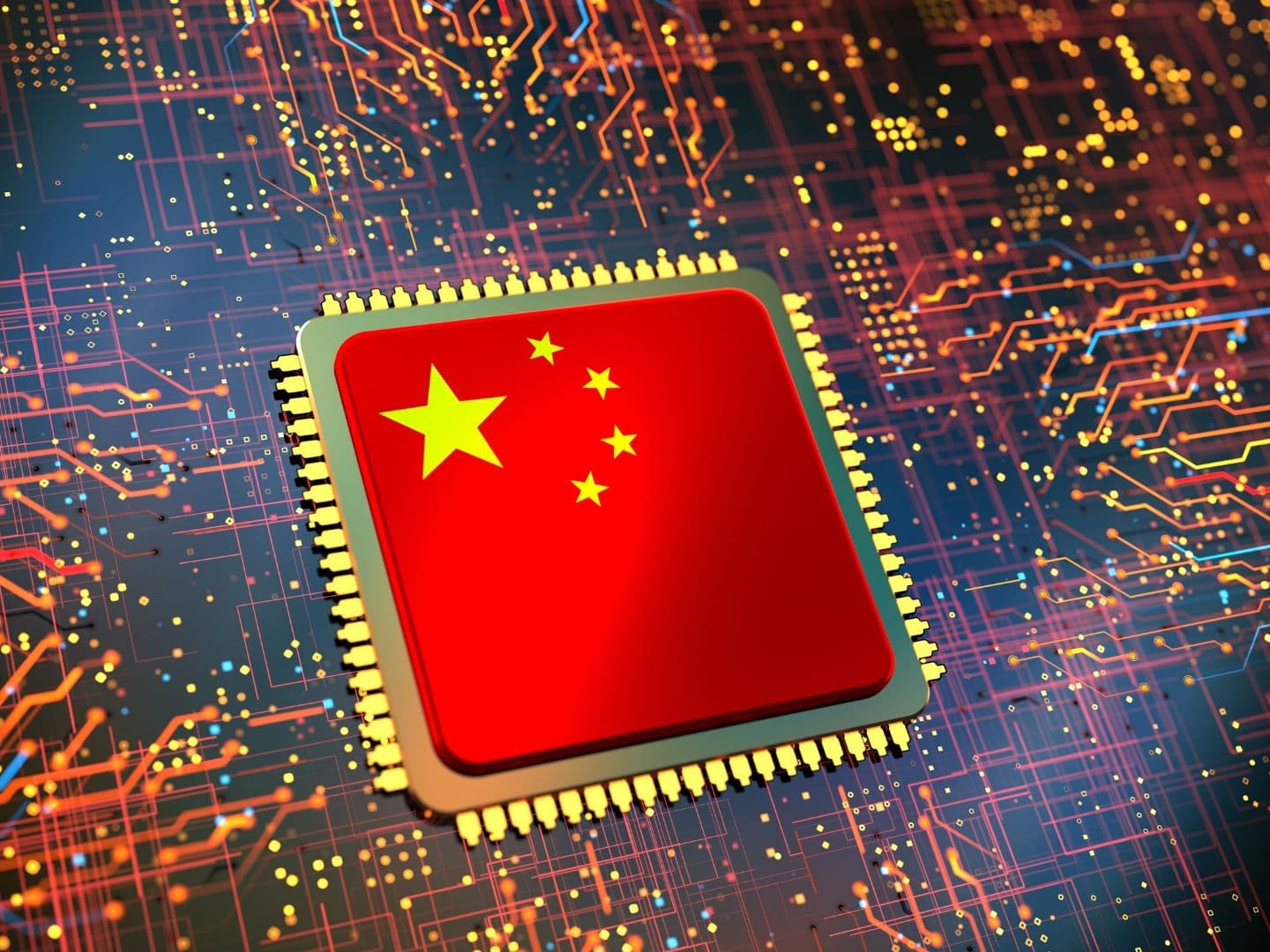
Shanghai Biren Technology, a Chinese AI chip designer that makes graphics processing units for training and running AI models, is planning to raise approximately $1 billion through a stock offering, according to Bloomberg. The company, which debuted on the Hong Kong stock exchange, is pursuing the capital raise to fund its GPU development efforts. This move reflects intensifying competition in the AI chip sector and China's push to develop domestic semiconductor capabilities.
TL;DR
- Shanghai Biren Technology plans $1 billion fundraising via stock offering
- Company designs GPUs for AI model training and inference
- Biren is listed on Hong Kong stock exchange
- Raise signals competitive pressure in AI chip market
Why It Matters
AI chip design has become a critical battleground in the technology industry, with demand for specialized processors outpacing supply. Biren's capital raise underscores China's commitment to building indigenous AI chip capabilities independent of U.S. suppliers, which faces export restrictions. The funding also indicates investor confidence in the commercial viability of competing GPU architectures for AI workloads.
Business Impact
For enterprises and cloud providers, Biren's growth represents an emerging alternative to dominant GPU suppliers, potentially affecting pricing, availability, and supply chain diversification strategies. The $1 billion raise demonstrates that AI chip startups can access substantial capital markets funding, validating the sector's commercial potential and attracting further competitive entrants.
Key Implications
- Increased competition in GPU market may pressure pricing and margins for incumbent suppliers
- China's AI chip ecosystem is maturing with access to public capital markets and substantial funding rounds
- Geopolitical semiconductor competition is intensifying, with implications for supply chain resilience and technology sovereignty
What to Watch
Monitor whether Biren successfully closes the $1 billion raise and at what valuation. Track the company's GPU adoption rates among Chinese cloud providers and AI labs, and watch for any regulatory or geopolitical responses from the U.S. regarding Chinese AI chip development. Also observe whether other Chinese chip designers pursue similar capital raises.
Subscribe to the newsletter
The latest stories and analysis, delivered to your inbox.
Free. No spam. Unsubscribe any time.


