AWS brings production AI agents to n8n with AgentCore harness
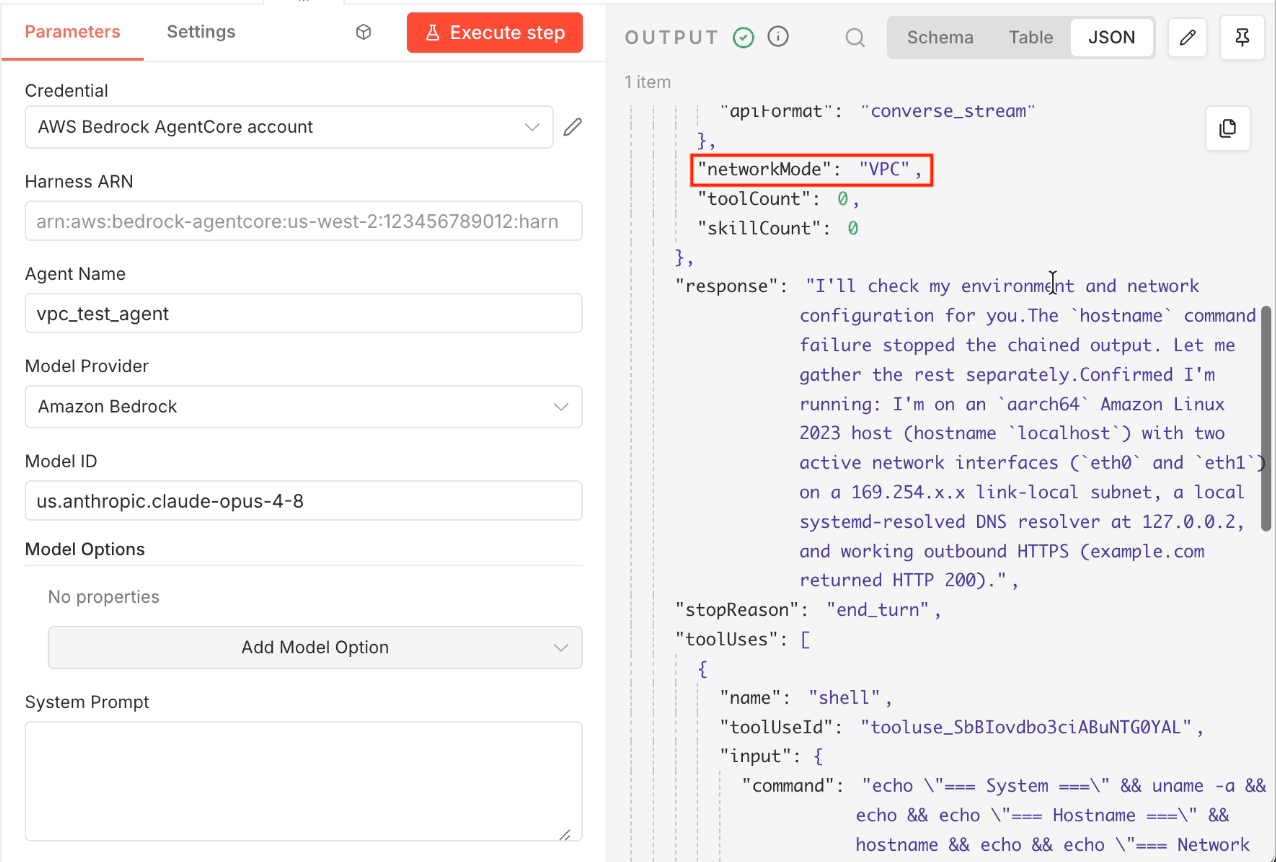
Amazon Bedrock AgentCore harness is now generally available and integrates with n8n through a new open-source community node. The integration lets users build production AI agents with persistent memory, real tools, and multi-model support without writing infrastructure code. The node works with Amazon Bedrock, OpenAI, Google Gemini, and LiteLLM-supported providers.
TL;DR
- Amazon Bedrock AgentCore harness is now generally available for production use
- New open-source n8n community node (@aws/n8n-nodes-agentcore) brings AgentCore into n8n's visual editor
- Agents get persistent memory, tool access, session isolation, and multi-model provider support without custom infrastructure code
- Node supports Amazon Bedrock, OpenAI, Google Gemini, and LiteLLM providers, with ability to switch between them mid-conversation
Why It Matters
Building production AI agents requires significant scaffolding beyond a single model call, including memory management, tool orchestration, context window handling, and failure recovery. This integration abstracts that complexity into a managed service accessible through n8n's no-code interface, lowering the barrier to deploying agents at scale.
Business Impact
Teams can now deploy production agents without building custom orchestration layers, reducing development time and infrastructure costs. The multi-model flexibility and managed memory mean organizations can optimize for cost or performance without rewriting agent logic.
Key Implications
- No-code and low-code teams can now build production agents without writing infrastructure or agent orchestration code
- Organizations gain flexibility to switch between model providers mid-conversation, enabling cost optimization and model experimentation
- The open-source approach under MIT license reduces vendor lock-in and allows teams to export to Strands code for deeper customization
What to Watch
Monitor adoption patterns to see whether this integration shifts agent development from custom code to managed platforms. Watch for how organizations use the multi-model switching capability and whether persistent memory features drive new use cases in customer-facing workflows.
Subscribe to the newsletter
The latest stories and analysis, delivered to your inbox.
Free. No spam. Unsubscribe any time.


