VFF - The signal in the noise
NewsTrending

Apple Eyes Paywall for Advanced Siri AI via iCloud+

Read original
Share
Apple Eyes Paywall for Advanced Siri AI via iCloud+

Apple CEO Tim Cook has indicated that the company is considering a tiered pricing model for Siri AI, where users could purchase additional compute capacity through existing iCloud+ subscriptions. The proposal suggests Apple would monetize enhanced AI capabilities for power users rather than bundling them into base service tiers. This represents a shift toward subscription-based AI features within Apple's ecosystem.

  • Tim Cook envisions a paywall model for advanced Siri AI compute
  • Additional processing power would be sold via iCloud+ subscriptions
  • Targets power users willing to pay for enhanced capabilities
  • Reflects broader industry trend of tiered AI service pricing

As AI becomes central to consumer devices, companies are exploring how to monetize computational resources. Apple's consideration of a tiered model signals that not all AI features will be free, potentially establishing a precedent for how device makers balance accessibility with revenue generation from AI services.

This approach could unlock new revenue streams from Apple's installed base through iCloud+ upsells while maintaining competitive positioning against rivals offering free AI features. It also allows Apple to manage server costs by limiting compute-intensive features to paying subscribers.

  • Apple may differentiate iCloud+ tiers based on AI compute allocation rather than storage alone
  • Power users could face additional costs for advanced Siri capabilities beyond base functionality
  • Establishes precedent for subscription-based AI feature access in consumer tech

Monitor whether Apple implements this pricing model in upcoming iOS releases and how it affects iCloud+ subscription adoption rates. Watch for competitive responses from Google, Microsoft, and other device makers regarding their own AI feature pricing strategies.

OneUpAI
OneUp Your Business. Get More Done. OneUp Your Business. Get More Done. OneUp Your Business. Get More Done.
Learn More
Share

Subscribe to the newsletter

The latest stories and analysis, delivered to your inbox.

Free. No spam. Unsubscribe any time.

Related stories

Anthropic merges Claude chat and Cowork into unified interface

Anthropic merges Claude chat and Cowork into unified interface

Anthropic has merged its Claude chat interface with Cowork, a collaborative workspace feature, into a single unified interface. The consolidated product is being rolled out initially to Pro and Max plan subscribers. This consolidation simplifies Anthropic's product offering by combining separate tools into one workspace.

by Ivan Mehta· TechCrunch AI
AWS Releases 38 Open-Source Skills to Fix AI Agent Reasoning in Healthcare

AWS Releases 38 Open-Source Skills to Fix AI Agent Reasoning in Healthcare

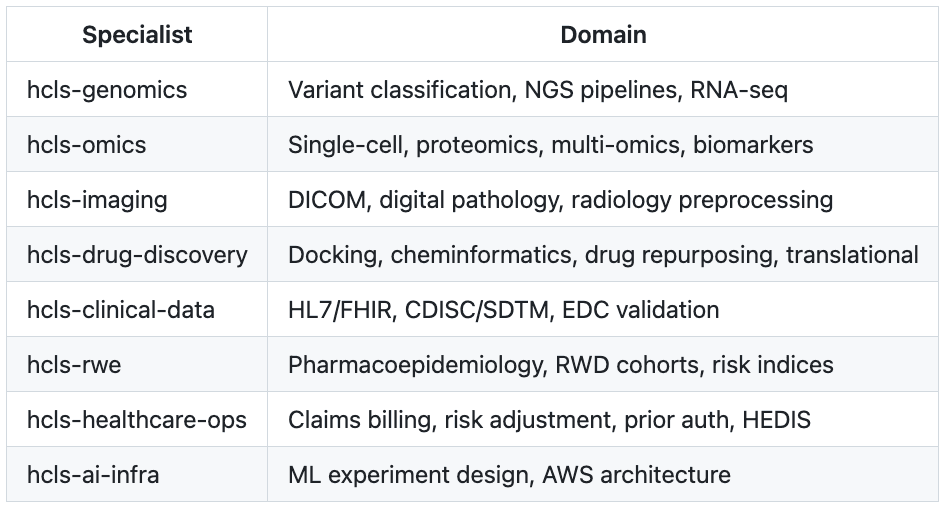
AWS released 38 open-source agent skills across 11 healthcare and life sciences domains to fix a critical failure mode in AI agents: they cite correct frameworks but misapply them in practice, leading to silent errors in variant interpretation, claims processing, and clinical workflows. The skills encode structured decision procedures as markdown documents that agents consume at inference time, improving head-to-head performance by 70-86 percent and critical thinking by 78-85 percent. All skills are released under MIT-0 license and available on GitHub.

by Michael Hsieh· AWS Machine Learning Blog
Google Opens Smart Home to Third-Party AI Agents
TrendingNews

Google Opens Smart Home to Third-Party AI Agents

Google is opening Google Home to third-party AI agents through a new integration called Home MCP, which uses the standardized Model Context Protocol. The move allows agents like Claude, Open Claw, Google Antigravity, and Hermes to securely access, control, and monitor connected devices and analyze home data within the Google Home ecosystem. This represents a shift toward interoperability in smart home control, letting users choose which AI agent manages their connected devices.

by Jennifer Pattison Tuohy· The Verge AI
Zipline Eyes $20B Valuation as Drone Delivery Gains Traction
TrendingNews

Zipline Eyes $20B Valuation as Drone Delivery Gains Traction

Zipline, a drone delivery startup, is in talks to raise $1 billion at a valuation near $20 billion, more than doubling its $7.6 billion valuation from its previous funding round. The funding follows a partnership with Uber announced last month to expand drone delivery across the U.S. Investors expect falling costs in drone delivery will expand the market beyond its current niche applications in meals and medical supplies.

by Julia Hornstein· The Information