AWS Quick Cuts Churn Response Time From Days to Minutes
Amazon Web Services published a technical guide on automating customer retention workflows using Amazon Quick, a low-code platform. The example demonstrates how to reduce churn response time from five days to minutes by combining contact center data, call transcript analysis, and automated scoring to identify and prioritize at-risk customers. A case study shows a mid-size SaaS company that lost 12% of at-risk accounts due to manual review delays, which the automated pipeline could have prevented.
TL;DR
- Amazon Quick can compress churn response cycles from five days to minutes by automating customer retention detection and outreach
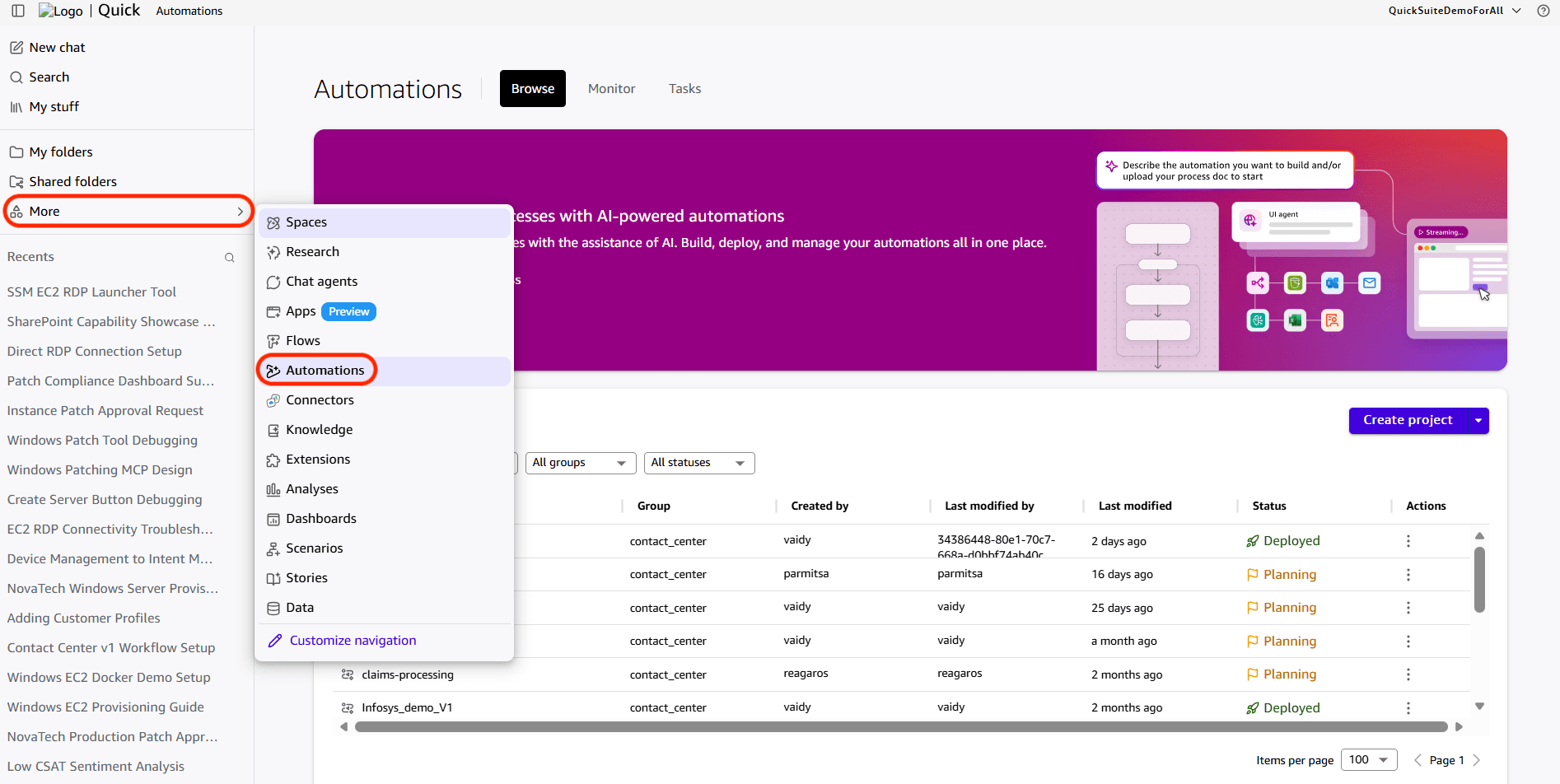
- The pipeline integrates four Quick components: Dashboard for KPI monitoring, Chat Agent for sentiment analysis, Flows for automation, and Automate for orchestration
- A real case study showed a SaaS company losing 12% of at-risk accounts because manual CSAT and transcript review took five days
- The solution uses custom MCP Actions, S3 storage, and structured workflows to rank customers by retention priority and generate personalized retention offers
Why It Matters
Customer churn detection speed directly impacts retention rates. Manual workflows create a window where dissatisfied customers leave before the retention team can act. Automating this process with AI-driven sentiment analysis and structured scoring closes that gap, allowing companies to respond to churn signals in real time rather than days later.
Business Impact
For SaaS and subscription businesses, reducing churn response time from days to minutes can meaningfully improve retention metrics and customer lifetime value. The automation also reduces manual work for retention teams, freeing them to focus on complex cases and strategy rather than data review and customer identification.
Key Implications
- Companies using manual churn detection workflows face measurable revenue loss during the review-to-contact lag, as shown in the 12% account loss example
- Low-code platforms like Amazon Quick lower the technical barrier to building AI-driven retention automation, making it accessible to teams without deep ML expertise
- Combining quantitative KPIs (CSAT, FCR, AHT) with qualitative sentiment analysis from call transcripts provides richer context for retention decisions than either signal alone
What to Watch
Monitor whether AWS Quick adoption grows among mid-market SaaS companies for retention use cases, and track whether similar automation patterns emerge in other customer lifecycle workflows like upsell and expansion. Watch for case studies showing actual churn reduction percentages and ROI from implementing these pipelines.
Subscribe to the newsletter
The latest stories and analysis, delivered to your inbox.
Free. No spam. Unsubscribe any time.


