Smartsheet's MCP Server Shows How Enterprise Platforms Enable AI Agents
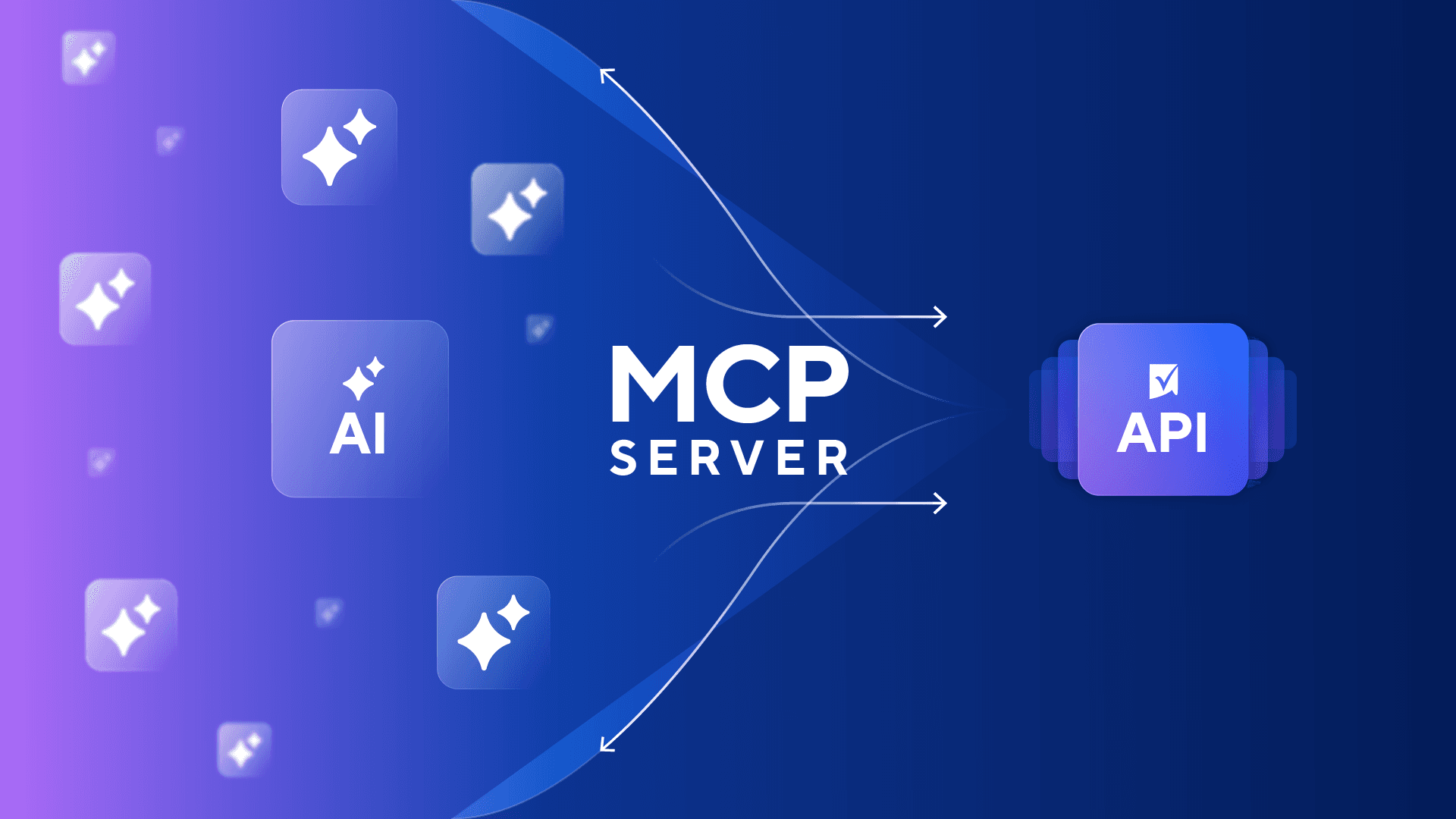
Smartsheet built a remote Model Context Protocol (MCP) server on AWS that enables AI agents and assistants to access structured data and capabilities within the work management platform through natural language. The architecture uses AWS Fargate, Kinesis, Flink, Bedrock, and Neptune to serve both internal Smart Assist and external AI clients like Amazon Quick and Claude Desktop. Since launch, Smartsheet has saved over 3 billion tokens through AI-optimized interfaces designed to reduce costs and prevent hallucination.
TL;DR
- Smartsheet deployed an MCP server on AWS to give AI agents structured access to enterprise work management data
- Single unified architecture serves both internal Smart Assist and external AI clients like Amazon Quick with identical tools and optimizations
- Infrastructure uses Fargate, Kinesis, Flink, Bedrock, and Neptune for stateless compute, event streaming, and LLM inference
- Token optimization has saved over 3 billion tokens since launch through AI-specific interface design
Why It Matters
As enterprises adopt AI agents for autonomous workflows, systems like Smartsheet need to expose their data and APIs in ways LLMs can reliably use. This MCP server demonstrates a production approach to bridging that gap, enabling AI agents to work autonomously on tasks like capturing requirements, managing tasks, and drafting documentation without human prompting. The token savings indicate meaningful cost reduction is achievable through thoughtful API design for AI consumption.
Business Impact
Enterprises can compress workflows that previously took weeks into days or hours by deploying autonomous AI agents that coordinate through Smartsheet. The unified architecture means Smartsheet builds once and all agentic clients benefit immediately, reducing engineering overhead. Token optimization translates directly to lower inference costs for organizations running AI agents at scale.
Key Implications
- Enterprise software platforms need AI-optimized interfaces alongside traditional APIs to support autonomous agent workflows
- Unified architecture for internal and external AI clients reduces fragmentation and accelerates feature delivery across the AI ecosystem
- Careful API design for LLM consumption can deliver substantial cost savings, suggesting token efficiency should be a design priority for AI-facing systems
What to Watch
Monitor whether other enterprise platforms adopt similar MCP server patterns and whether token savings metrics become standard benchmarks for AI-optimized APIs. Watch for adoption rates of autonomous agents in Smartsheet workflows and whether the compression of multi-week processes into days becomes measurable in customer data. Track whether the unified architecture approach influences how other vendors design their AI integration layers.
Subscribe to the newsletter
The latest stories and analysis, delivered to your inbox.
Free. No spam. Unsubscribe any time.


