South Korea Commits $880B to Chips, Robotics, AI
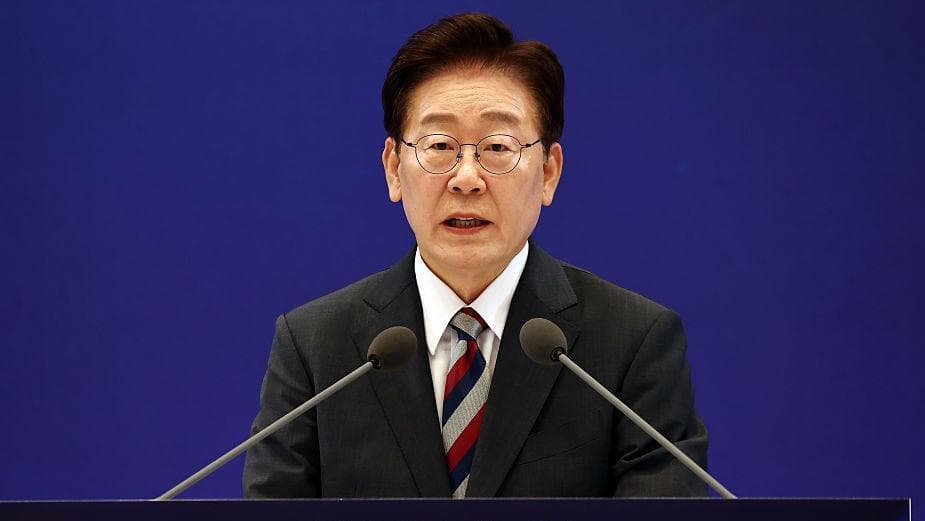
South Korea announced a 1,350 trillion won ($880 billion) investment plan over the next decade targeting semiconductors, robotics, and AI, driven by rising demand for memory chips and AI infrastructure expansion. The initiative involves Samsung Group and SK Group, the country's largest conglomerates. The investment reflects South Korea's strategic positioning in global competition for advanced technology leadership.
TL;DR
- South Korea commits $880 billion over 10 years to semiconductors, robotics, and AI
- Plan announced Monday in response to surging memory chip demand and AI infrastructure growth
- Samsung Group and SK Group are central to the investment strategy
- Initiative positions South Korea to compete in global advanced technology markets
Why It Matters
South Korea is doubling down on sectors critical to global technology infrastructure. Memory chips and AI systems are foundational to everything from data centers to consumer devices, making this investment a signal of how major economies are allocating capital to maintain technological competitiveness.
Business Impact
Companies in semiconductors, AI, and robotics should monitor South Korean capacity expansion and potential shifts in global supply chains. The scale of investment may influence pricing, availability, and competitive dynamics in these sectors over the coming decade.
Key Implications
- South Korea is signaling commitment to maintaining its position as a major semiconductor supplier amid global AI infrastructure buildout
- Samsung and SK Group will likely expand manufacturing capacity, potentially affecting global chip supply and pricing
- The 10-year timeline suggests sustained government support for technology sectors, reducing near-term policy uncertainty for investors
What to Watch
Track announcements from Samsung and SK Group regarding specific facility expansions, hiring, and technology roadmaps. Monitor how this investment affects global semiconductor pricing and availability, particularly for memory chips used in AI systems. Watch for similar announcements from other major economies signaling their own technology sector commitments.
Subscribe to the newsletter
The latest stories and analysis, delivered to your inbox.
Free. No spam. Unsubscribe any time.


