Kepler's Orbital GPU Cluster Goes Live with First Customer
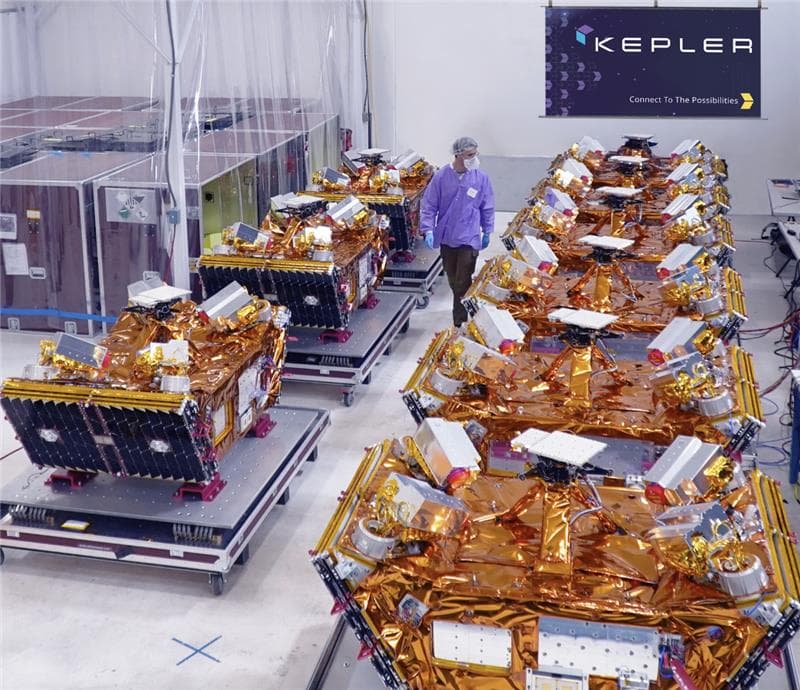
Kepler Communications has deployed 40 GPUs in Earth orbit and opened its orbital compute cluster for commercial use, with Sophia Space as its first customer. The move represents an early commercialization of space-based computing infrastructure, positioning orbital resources as a potential alternative or complement to terrestrial data centers. The deployment signals growing interest in leveraging satellite infrastructure for compute-intensive workloads, though practical applications and economic viability remain to be demonstrated at scale.
TL;DR
- Kepler Communications operates the largest orbital GPU cluster with 40 units currently in space
- Sophia Space is the first commercial customer for the orbital compute service
- The deployment opens a new category of infrastructure for compute workloads beyond traditional data centers
- Orbital compute remains experimental, with real-world use cases and cost-effectiveness still being validated
Why It Matters
As AI workloads grow more compute-intensive, alternative infrastructure models are emerging. Orbital compute could theoretically offer advantages like reduced latency for certain applications, geographic distribution, or access to power sources unavailable on Earth, though these benefits remain largely theoretical at this stage. This deployment marks a tangible step toward proving whether space-based compute can serve as a viable infrastructure layer for AI and other intensive applications.
Business Impact
For operators and founders building AI systems, orbital compute represents a potential new resource category to evaluate, though current economics and latency characteristics likely limit near-term applicability. Companies like Sophia Space are beginning to explore whether specific workloads justify the cost and complexity of orbital infrastructure. Success here could reshape how enterprises think about geographic distribution and redundancy for mission-critical compute.
Key Implications
- Orbital infrastructure is transitioning from experimental to commercial, attracting real customers and revenue rather than remaining purely speculative
- The viability of space-based compute depends on identifying workloads where orbital location, latency, or power characteristics create genuine economic advantage over terrestrial alternatives
- Early adopters like Sophia Space will generate crucial data on practical performance, costs, and use case fit that will determine whether this becomes a mainstream infrastructure category
What to Watch
Monitor whether Kepler and similar providers attract additional customers and what types of workloads they target. Track deployment of additional orbital GPU clusters and whether costs decline as volume increases. Watch for technical performance data, latency measurements, and cost comparisons versus terrestrial cloud infrastructure to assess whether orbital compute becomes economically viable beyond niche applications.
Subscribe to the newsletter
The latest stories and analysis, delivered to your inbox.
Free. No spam. Unsubscribe any time.


